Lent (information retrieved from Wikipedia and Biblegateway.com)
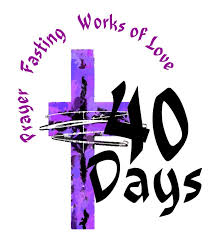
Lent (Latin: Quadragesima, 'Fortieth') is a solemn religious observance in the Christian liturgical calendar that begins on Ash Wednesday and ends approximately six weeks later, before Easter Sunday. The purpose of Lent is the preparation of the believer for Easter through prayer, doing penance, mortifying the flesh, repentance of sins, almsgiving, and self-denial.
The liturgical color of the season of Lent is purple. Many altar crosses and religious statuary are traditionally veiled during this period in the Christian year.
Meaning of Lent
According to Merriam-Webster, Lent means "the 40 weekdays from Ash Wednesday to Easter observed by the Roman Catholic, Eastern, and some Protestant churches as a period of penitence and fasting."
- Lent for Christians starts on Ash Wednesday and ends on either the evening of Maundy Thursday or on sundown of Holy Saturday (day before Easter Sunday). However, the practices of Lent do not end until sundown on Holy Saturday for all Christian denominations.
Lent is also associated with Ash Wednesday, the first day of Lent, where “some Christians mark their foreheads with ash as a symbol of sorrow and mourning over their sin.” Between Ash Wednesday and Easter, many Christians observe a 40-day period known as Lent. This name comes from the “Old English lencten springtime, spring” and “from West Germanic langitinaz long-days or lengthening of the day.” Popularly regarded as a period of fasting, there are many ways to make the Lenten period meaningful without missing meals.
Lent is meant to be a time of repentance…an awareness that sin separates us from God and of what it cost Him to be reunited with us. Repentant sinners “seek […] cleansing from sin, but also freedom from shame.” True repentance leads” to a “180-degree change of [...] direction,” requires “true brokenness,” but repentance starts with “regretful acknowledgment of sin with commitment to change.”
In Lent, many Christians commit to fasting, as well as giving up certain luxuries in order to replicate the account of the sacrifice of Jesus Christ's journey into the desert for 40 days; this is known as one's Lenten sacrifice. There are traditionally 40 days in Lent; these are marked by fasting, both from foods and festivities, and by other acts of penance. Many Christians also add a Lenten spiritual discipline, such as reading a daily devotional or praying through a Lenten calendar, to draw themselves near to God. The three traditional practices to be taken up with renewed vigor during Lent are prayer (justice towards God), fasting (justice towards self), and almsgiving (justice towards neighbors). 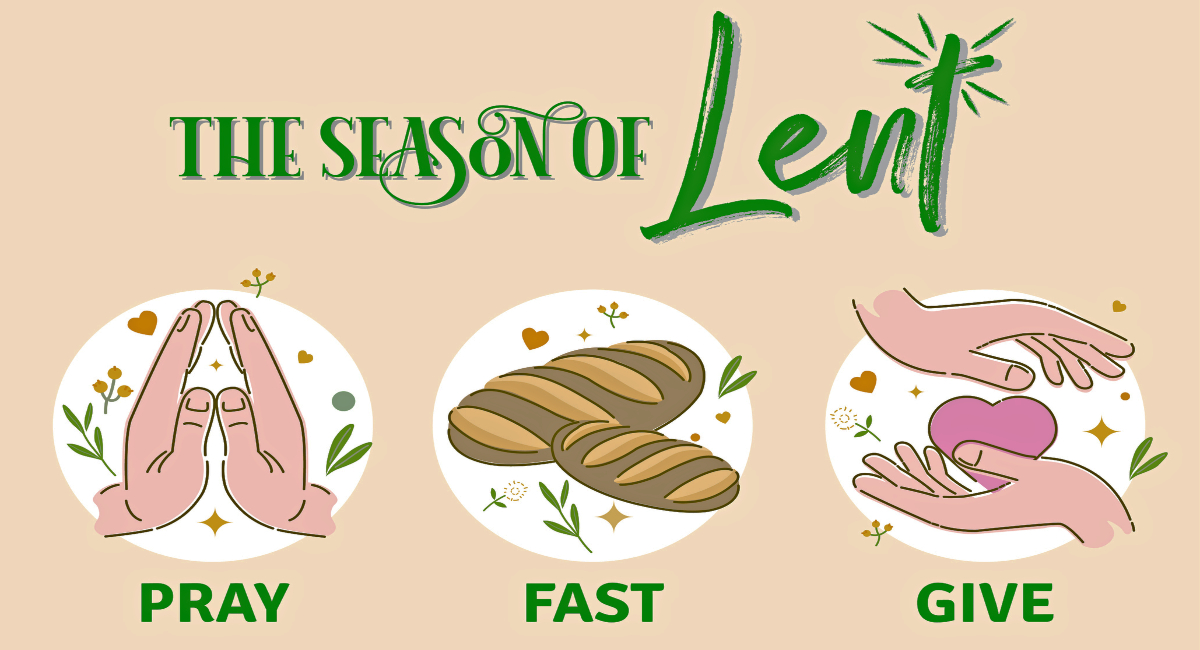
The last week of Lent is Holy Week, starting with Palm Sunday. Following the New Testament story, Jesus' crucifixion is commemorated on Good Friday, and at the beginning of the next week the joyful celebration of Easter Sunday recalls the Resurrection of Jesus Christ. In many liturgical Christian denominations, Good Friday, Holy Saturday, and Easter Sunday form the Easter Triduum. Lent is a season of grief that necessarily ends with a great celebration of Easter. Thus, it is known in Eastern Orthodox circles as the season of "Bright Sadness". It is a season of sorrowful reflection which is punctuated by breaks in the fast on Sundays.